AI-Enabled Operations: Lessons from the Field
Practical insights from organizations that have deployed AI in their operations. What works, what doesn't, and what to expect.

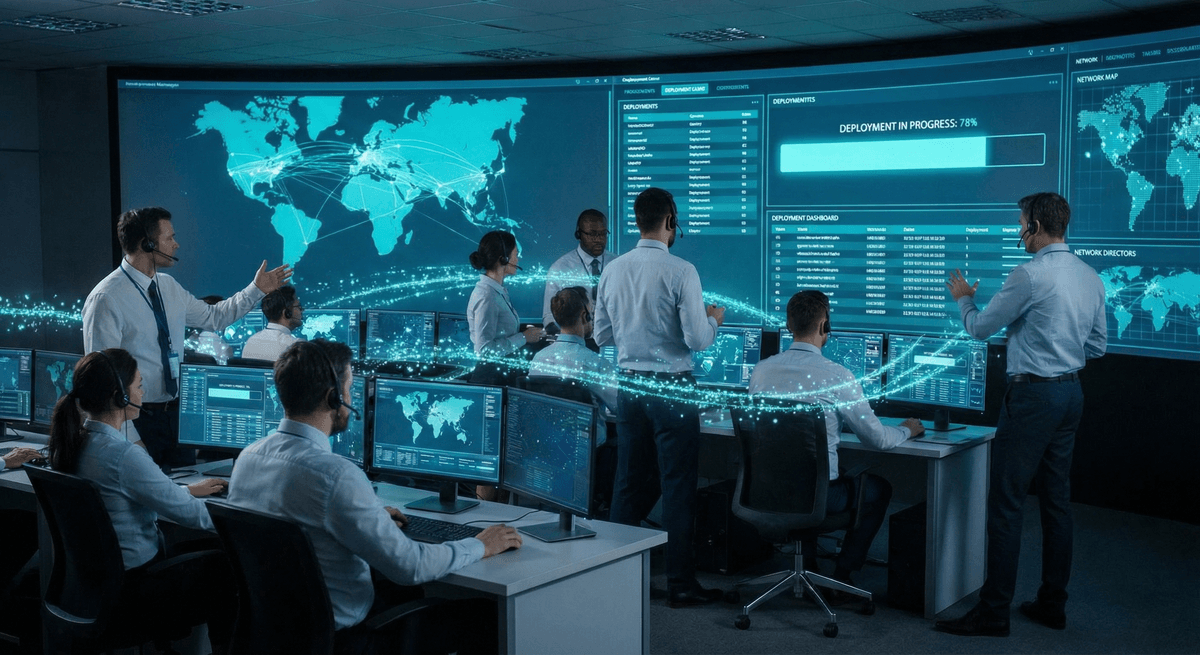
PRESHai deploys agents into your operating environment with the controls real businesses require: scoped data access, approval routing, run histories, evaluation rubrics, and rollback paths. The team that runs it sees what was retrieved, what was decided, what was changed, and by whom.
HOW DEPLOYMENT RUNS
Each phase produces a defined artifact, sets up the next phase, and contributes to the operational system you exit with. The cadence below assumes a single agent, single workflow scope. Multi-agent or multi-workflow engagements run the phases in parallel with shared review gates.
Convert the pilot artifact into a production candidate. Define the workflow boundary, name the agent's owner, list the systems it reads and writes, and write the success criteria the business will measure against. Pilot output becomes a deployment scope, not a deck.
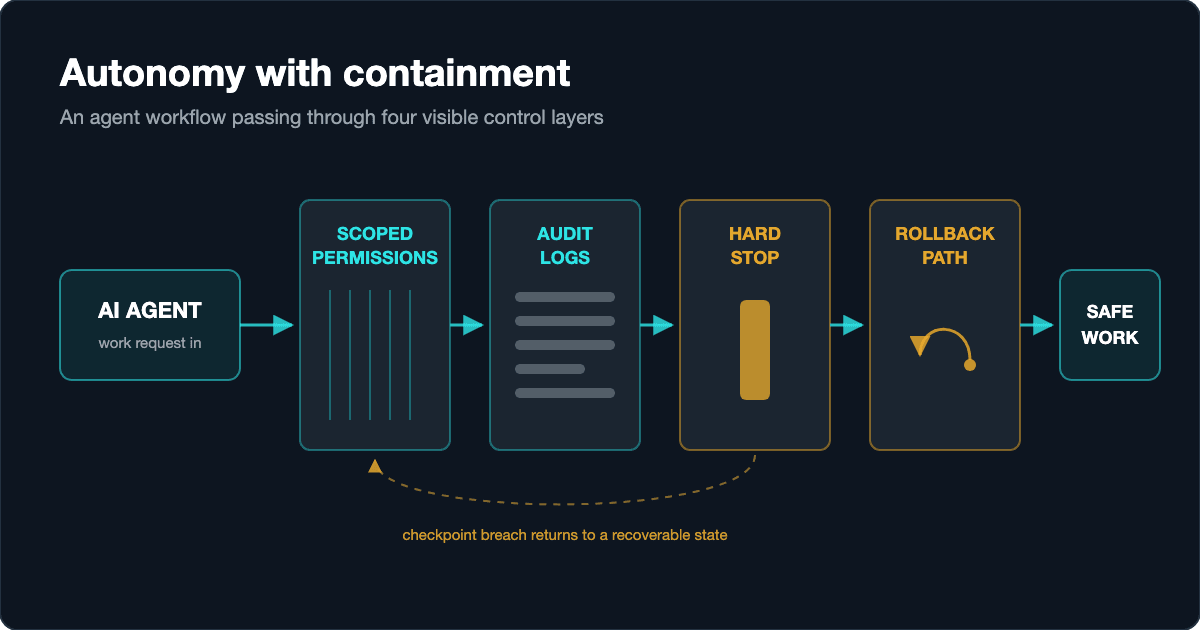
Audit the agent against the controls real businesses require. Invoker-on-log audit so every agent action records the human invoker and inherited permissions. HITL gates on writes against the real systems of record. Run logs and rollback paths. Eval rubrics tied to business outcomes, not model metrics. Anything that fails the review gets fixed before cutover.
Deploy the agent into the operating environment behind a shadow flag. Inputs route to both the agent and the existing process; outputs go to the existing process while the agent's recommendations are logged. Two to four weeks of shadow give the team a baseline of agent behavior with zero production risk.
Cut over to the agent for the in-scope workflow with the rollback path one click away. On-call rotation owns the agent like any other production system. Daily eval reports surface drift early. The team that runs it can read the run history and explain what the agent did and why.
The first month in production teaches you which guardrails were tight enough, which ones held back useful work, and where the agent should expand its remit. Iteration is structured into the engagement, with named decision points and a documented change-control path so the agent improves without going off the rails.
PRODUCTION-READINESS REVIEW
Most AI work fails the production-readiness review on its first try, and that is the point. The review is a structured audit against the controls the business actually needs in production. We run it before cutover so the gaps are fixed when fixing them is cheap.
We review credentials and access scope, approval routing for write actions, run-log completeness, eval rubric coverage, rollback paths, and on-call ownership. Each gets a green or a fix item. No green-washing. The artifact is a signed-off readiness checklist the CIO and the head of operations can both read.


OBSERVABILITY AND RUNBOOKS
Production agents need observability that operations can read, not just AI engineers. We instrument every workflow so you see what was retrieved, what was decided, what was changed, and by whom, with a UI the team already on call for production systems can navigate without a tutorial.
Runbooks are written during deployment, not after. Each agent ships with the on-call playbook it needs: how to read its run history, how to invoke a rollback, how to escalate when an evaluation drifts. The team that runs it after the engagement is the team that ran it during the engagement.
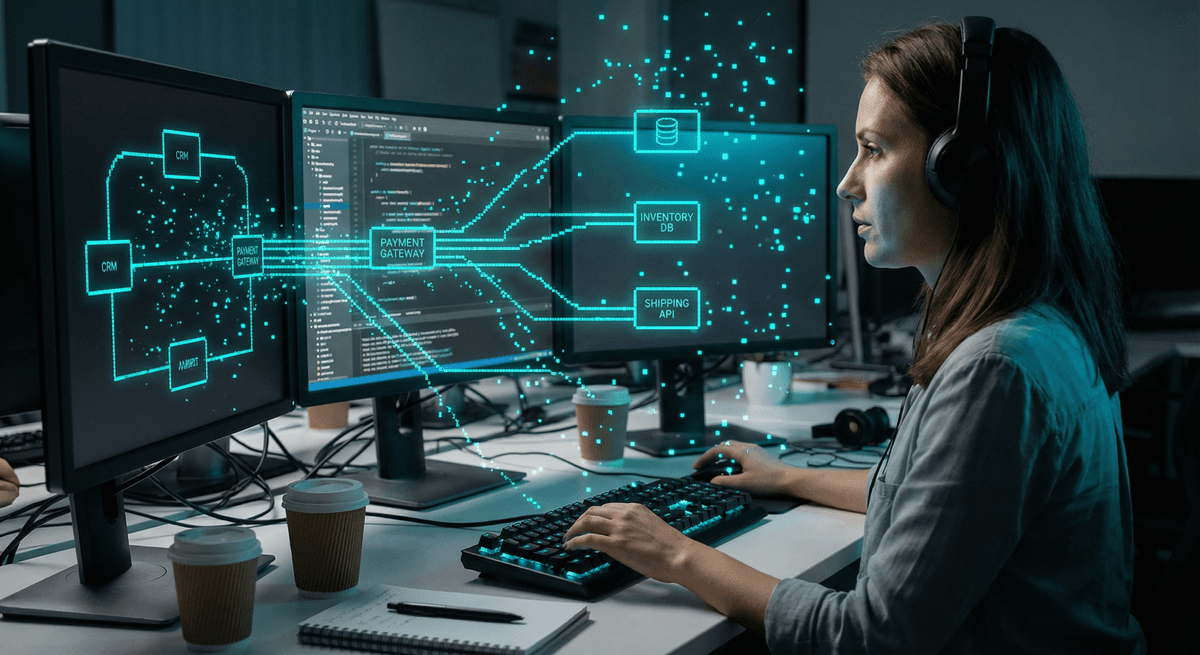
An agent in production needs more than a model. It needs scoped, audited paths into the systems your business already runs on. The integration practice is where those paths get designed, scoped, and shipped.
Read about Systems IntegrationDeployment is one phase. The full implementation engagement spans strategy, platform, integration, governance, and enablement. The phases sequence into one operational system.
Tour the implementation engagementINSIGHTS
How AI and automation are reshaping operations, workflows, and growth strategies across the IT channel.
Schedule a deployment scoping conversation. We will name the workflow, the integrations, the governance posture, and what production looks like for your business.