


Inside this article
- A fallback plan belongs inside every AI workflow that matters to the business, and it should exist while the workflow is still calm enough to examine.
- Every failure event (latency, weak output, provider errors, blocked data) needs a specific action attached to it, not a general hope.
- The alternate path deserves the same care as the primary path. A backup that has never handled live inputs exists only on paper.
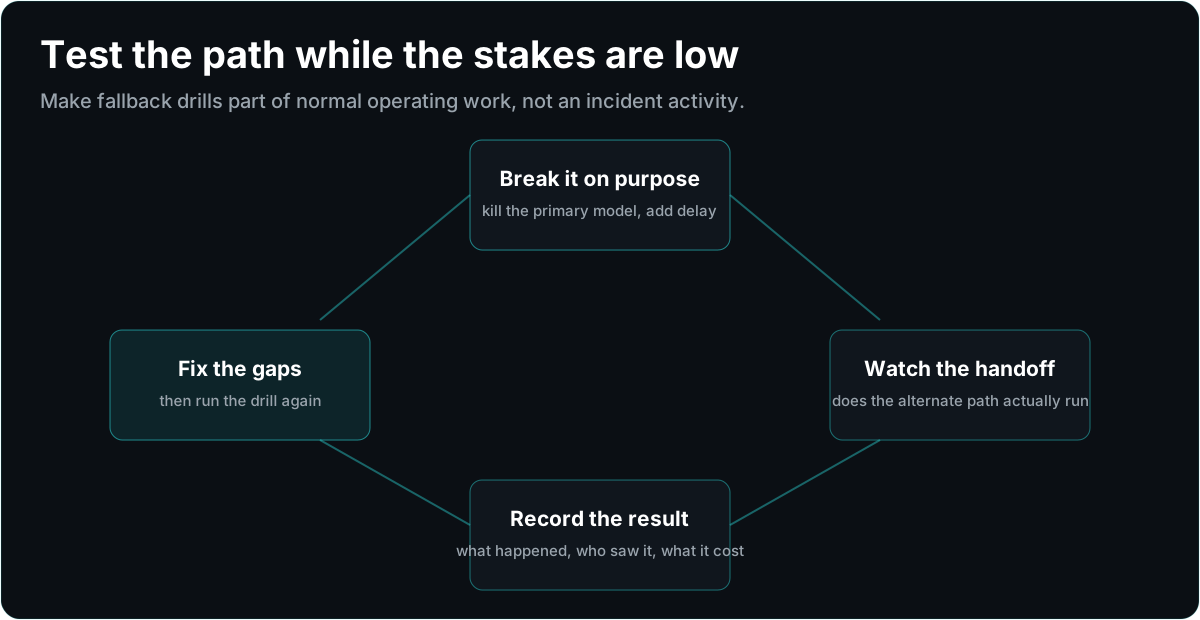
- Test the handoff as normal operating work: break it on purpose, watch, record, fix the gaps.
A fallback plan belongs inside every AI workflow that matters to the business. Customer support, sales guidance, security work, and operational decisions all carry consequences. The system needs a clear route when the primary model slows down, gives weak output, loses access to a tool, or stops meeting a policy requirement.
Most teams discover this through an outage or a vendor change. By then, the work feels urgent and the choices feel narrow. The plan should exist while the workflow is still calm enough to examine.
Give Every Failure a Specific Action
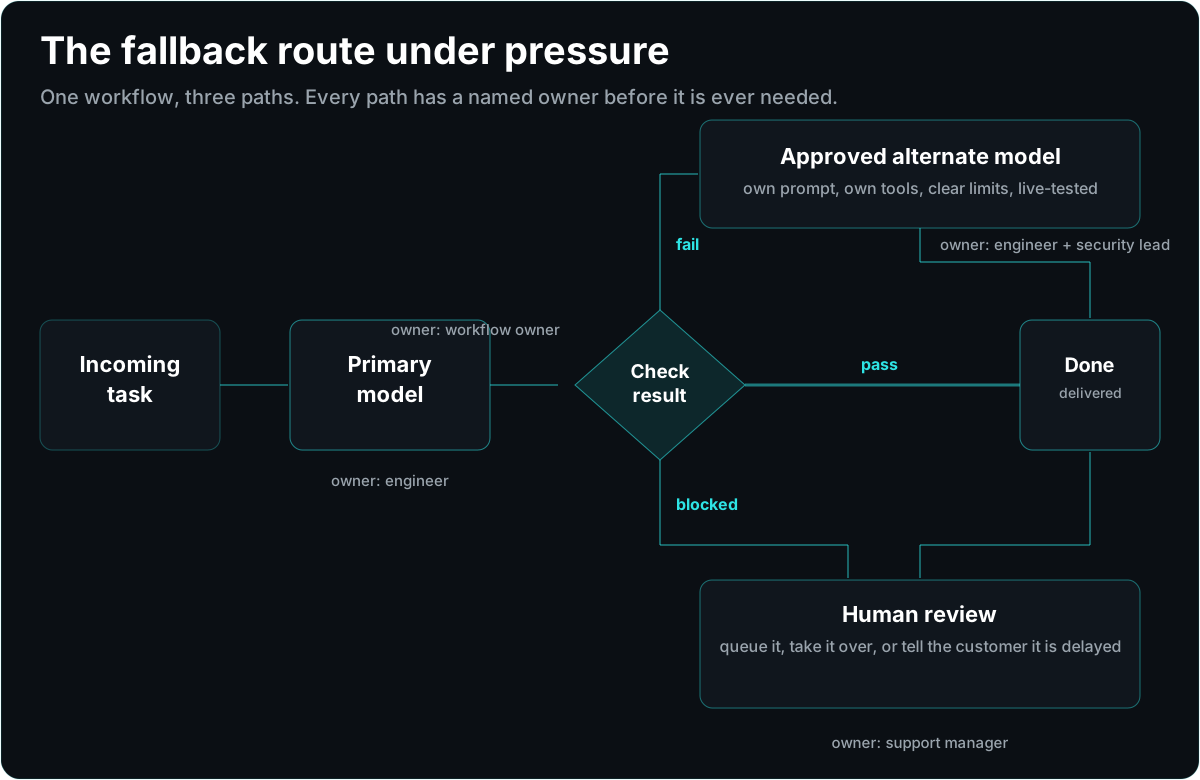
Start with the moment the primary route fails. Describe what the system sees. A request could exceed the latency target. An evaluation could flag low quality. The provider could return an error. A data rule could block the request before it leaves the company. Those events need specific actions attached to them.
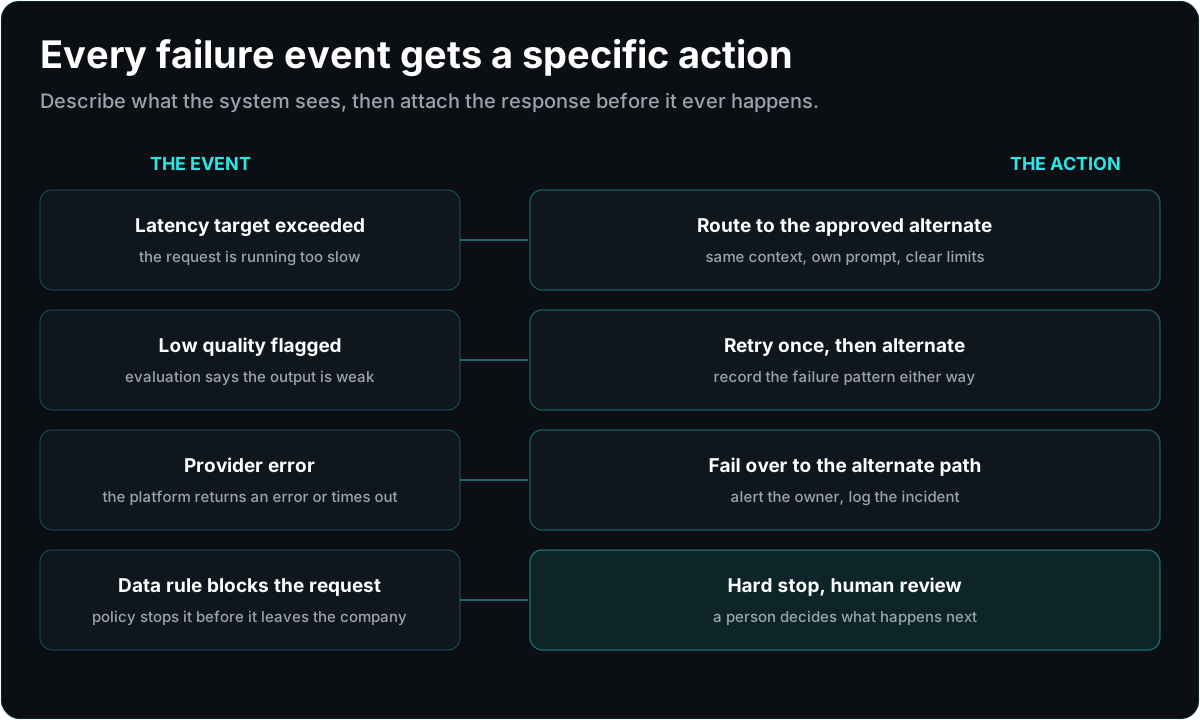
The first action sends the work to an approved alternate. That route deserves the same care as the primary path. It needs access to the required context, a prompt designed for the model, the right tools, and a clear limit on what it may do. A backup that has never handled live inputs exists only on paper.
Human review belongs in the design from the beginning. Some work can wait in a queue. Some work needs an employee to take over. Other requests need a simple response that explains the delay and keeps the customer informed. The difference comes from the business impact of the task.
Map the Paths First
Map those paths before drawing a technical diagram. Choose one workflow. Follow a customer request from the first prompt through every connected system. Mark the places where data enters, where the model makes a choice, where a tool takes action, and where a person can step in. A diagram with four branches often tells the team more than a long policy document.
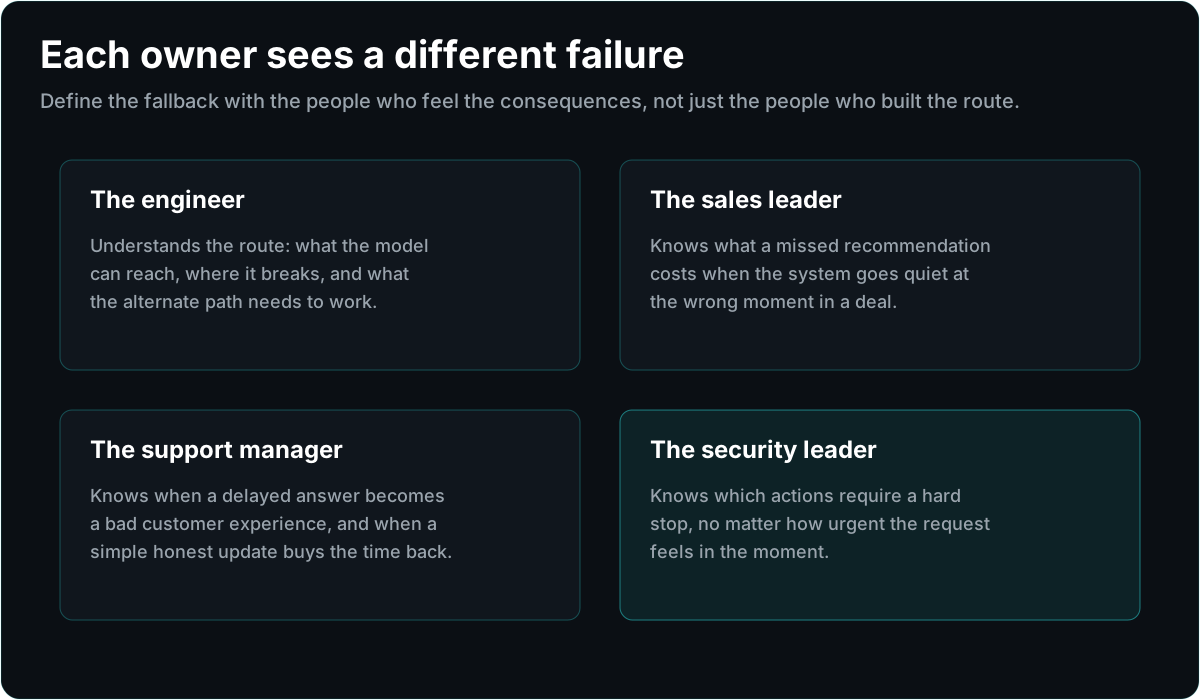
The owner of the workflow should help define the fallback. An engineer understands the route. A sales leader knows what a missed recommendation costs. A support manager knows when a delayed answer becomes a bad customer experience. A security leader knows which actions require a hard stop. Each person sees a different failure with greater clarity.
Test It Before You Need It
Test the path as part of normal operating work. Turn off the primary model in a controlled environment. Add a delay. Feed the system a request that triggers a policy limit. Watch the handoff. Record the result. Fix the gaps while the stakes are low.
This is where companies learn what they own. A prompt may rely on one provider's formatting. A tool may only work through one platform. A team may lack access to the data it needs for the alternate path. Each finding gives the business a concrete decision to make.
The fallback plan also changes the vendor conversation. A company that understands its own route can ask better questions about data portability, service levels, model access, and support during an incident. The relationship becomes stronger because both sides know where the responsibilities sit.
AI systems will keep changing. The workflows around them will change as well. A well-tested fallback gives a team room to move when the next change arrives.