


Inside this article
- Bringing an AI provider deep into the business is a serious commitment, and the harder questions sit around the model, not inside it.
- An exit path is practical: know where data lives, keep prompts and workflows reachable, and never face a rebuild from scratch.
- Model routing only works when people who know the business have done the judgment work first.
- Map the workflows that matter and run an approved alternative before the business depends on any single provider.
A company brings an AI provider deep into the business. The work begins with a model, then expands into workflows, permissions, policy, evaluations, escalation paths, and the systems people use every day. The provider starts shaping how work moves through the company. That is a serious commitment.
The value is easy to see. A strong partner brings technical depth, implementation support, and a faster route into production. Teams gain momentum when they have people who know the platform inside out. The arrangement can help a business move through the hard early work of adoption with more confidence and less wasted effort.
It also changes the nature of the relationship.
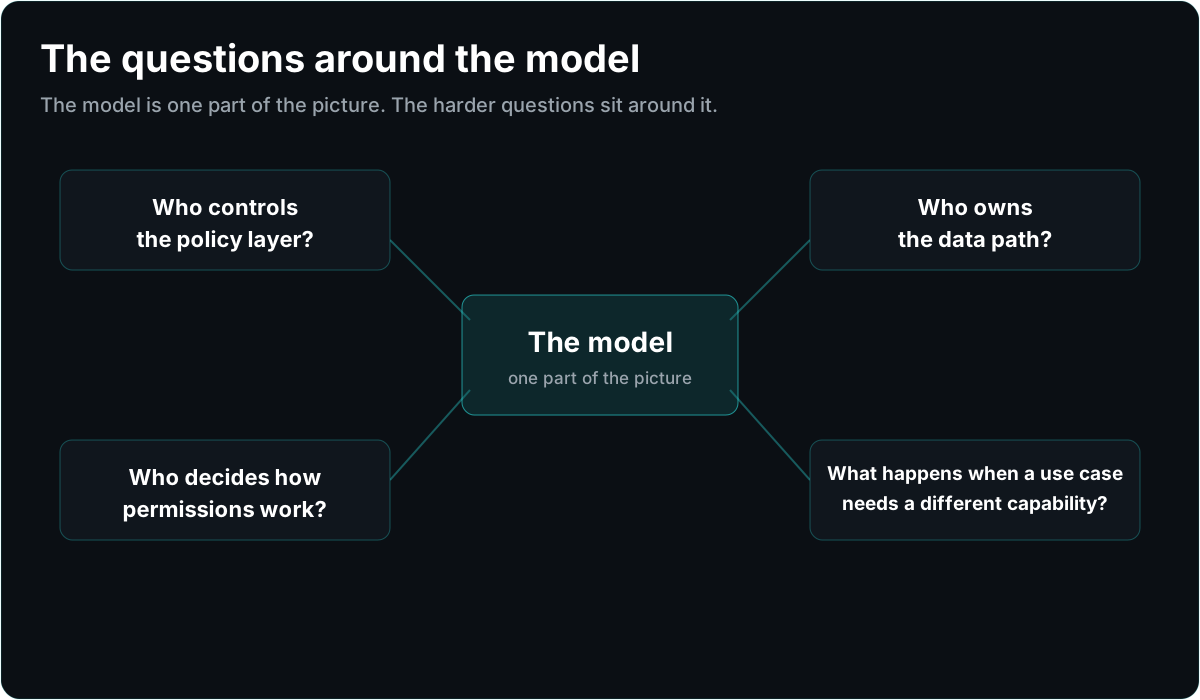
Once the workflow runs through a provider's platform, the company has placed a piece of its operating model inside someone else's product. The model is one part of the picture. The harder questions sit around the model. Who controls the policy layer? Who owns the data path? Who decides how permissions work? What happens when a critical use case needs a different capability?
Those questions belong in the first conversation.
AI has pushed software deeper into the business than many teams expected. An AI system can read customer history, prepare a proposal, draft a response, guide an employee through a process, or take action across connected tools. A provider that sits at the center of that activity gains a close view of how the company works. The platform becomes part of the company's muscle memory.
That is why an exit path matters from the beginning.
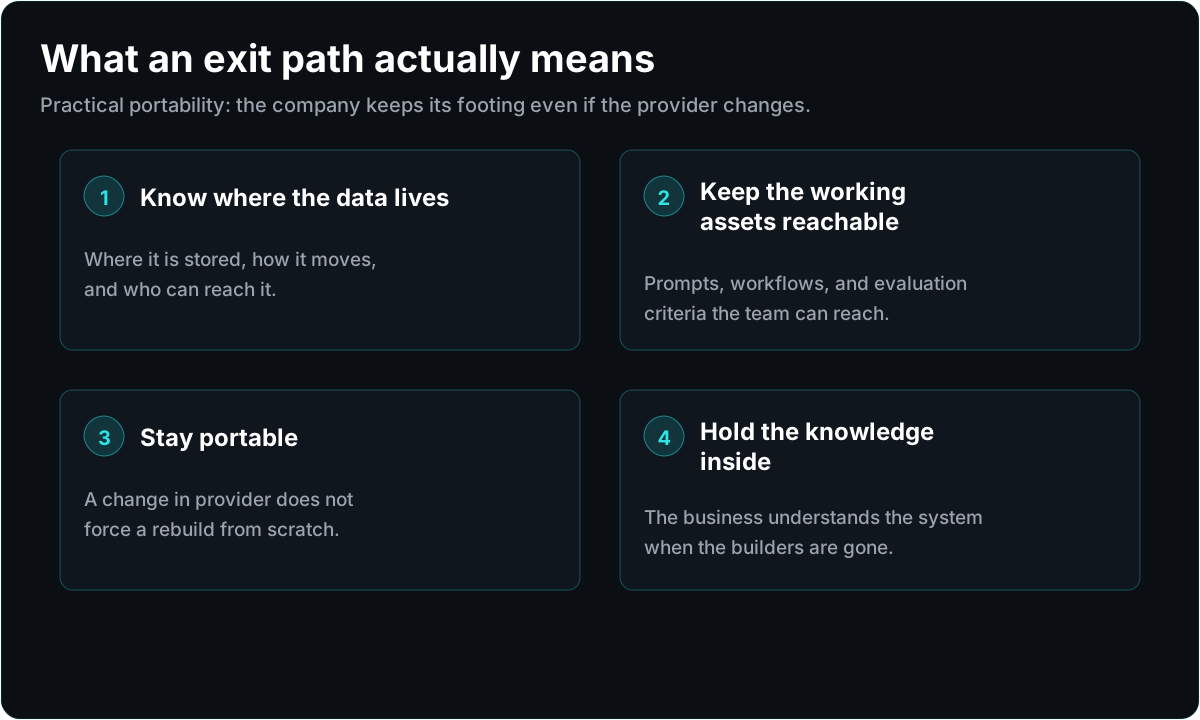
An exit path is practical. It means the company knows where its data lives and how it moves. It means prompts, workflows, and evaluation criteria sit in places the team can reach. It means a change in provider does not force a rebuild from scratch. It means the business has enough internal knowledge to understand what the system is doing when the people who built it for the vendor are no longer in the room.
The idea applies even when a company plans to stay with the same provider for years. A healthy partnership becomes stronger when both sides understand the boundaries. The vendor sees a customer that knows what it needs. The customer sees the full cost of the decision. Conversations become more honest when the team can talk about portability, access, service levels, and ownership before pressure arrives.
The Routing Layer
Model routing adds another layer to this. Different jobs call for different tools. A simple task may run well on a smaller model. A difficult task may need more reasoning, a longer context window, or a tighter review loop. Teams that understand their workloads can choose models with purpose. They can watch cost, speed, quality, and failure patterns in the same place.
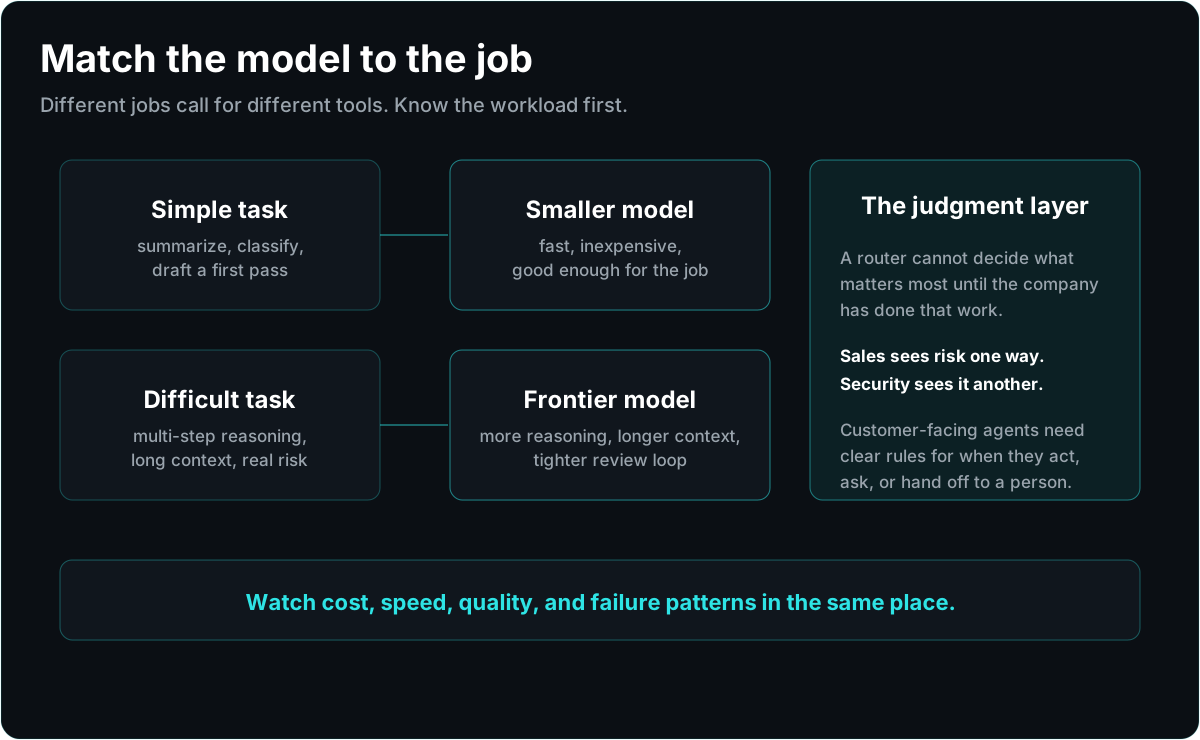
That calls for judgment from people who know the business. A router cannot decide what matters most until the company has done that work. Sales teams care about a different outcome than security teams. A support workflow carries a different level of risk than an internal research tool. An agent that affects a customer needs clear rules around when it acts, when it asks, and when a person steps in.
Map It Before You Depend on It
The work starts with a map of the workflows that matter. Look at the inputs each one uses. Look at the systems it touches. Follow the data through the process. Write down who owns the decision when the output goes wrong. Then run the same workflow through an approved alternative before the business depends on it.
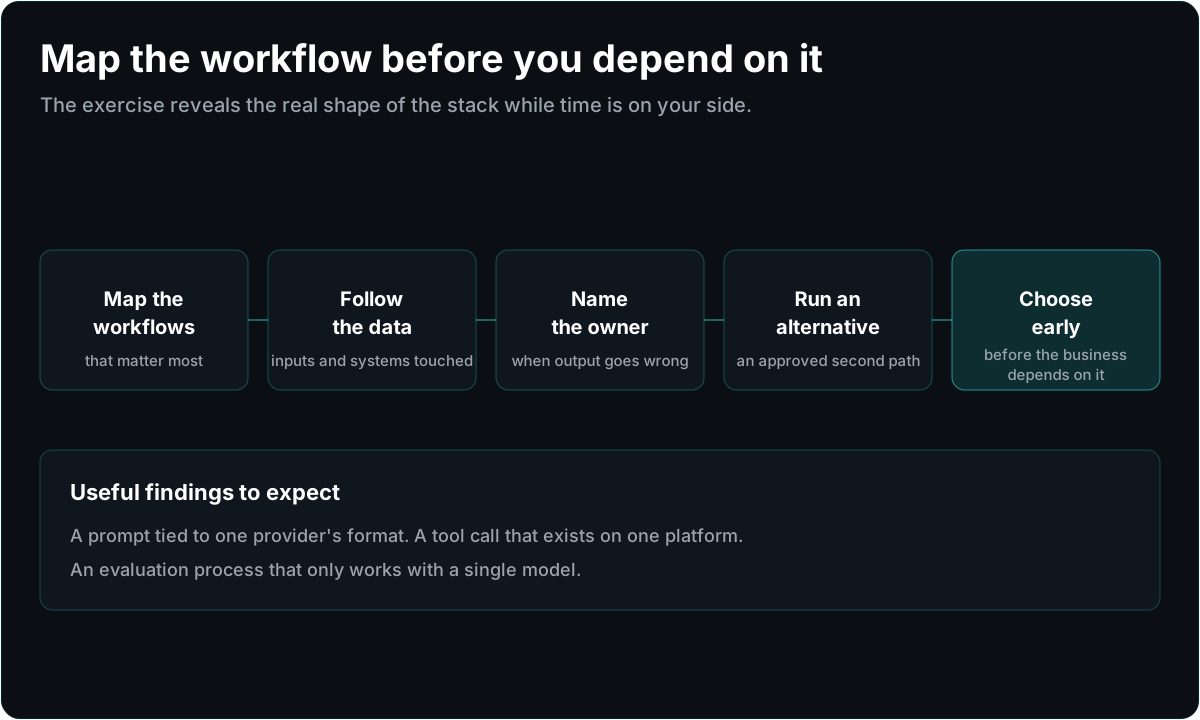
That exercise reveals the real shape of the stack.
A prompt may depend on one provider's format. A tool call may rely on a feature that exists in one platform. A team may discover that its evaluation process only works with a single model. Those are useful findings. They give the company a chance to make a clear choice while time is on its side.
The companies that handle AI well will build relationships with great providers and keep a firm grasp on their own systems. They will know what they own, what they rent, and what they need to carry forward when the market changes.
Every AI decision creates a path. The important part is knowing where that path leads and keeping the ability to choose the next turn.

Related: we covered the provider side of this on Model Behavior, open-weight models and the new model gateway wars. Worth a watch if the routing section landed.