

Work that startswithout anyone asking.
An automation is a trigger that starts an agent or an action. Each one is laid out as steps you can read, and runs under the same permissions, approvals and record as everything else in PRESHos.
Trigger, agent,action.
Some steps need judgment and go to an agent. Others are the same every time and run as a set action. One automation can hold both.
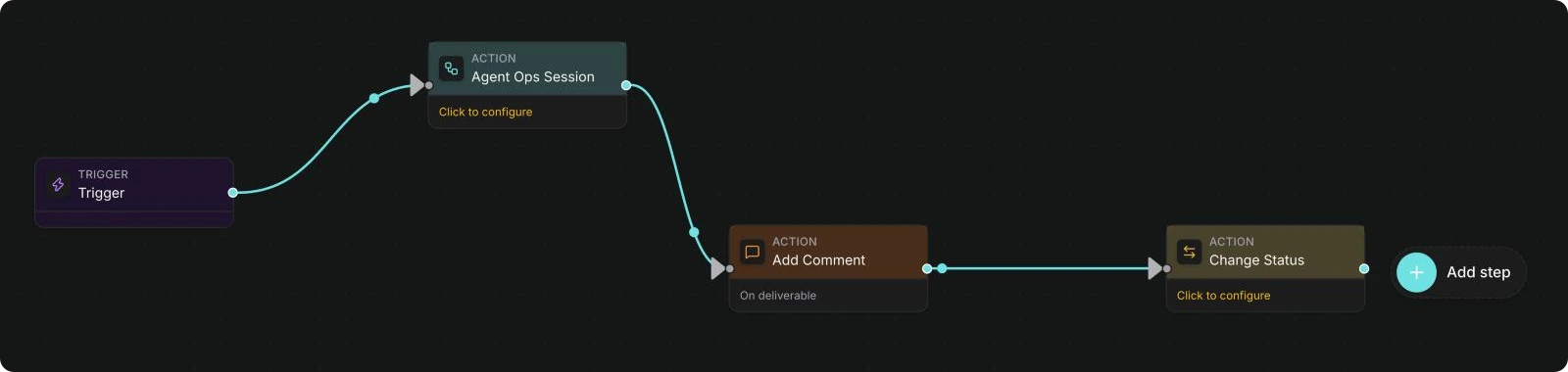

Trigger
What starts it: a record changes, or a schedule comes round. No one has to ask.

Agent
The automation hands the work to an agent, which does the job in its own session and reports back.

Action
Or it takes a set step itself: create a record, add a comment, assign the work.
Who can do what,and who signed off.
Permissions
Roles for people and for agents. An agent never has more access than its owner.
Approvals
The agent proposes, the owner decides. Reviews land in one inbox.
Audit
A record of who did it, which agent, which tools and what changed.
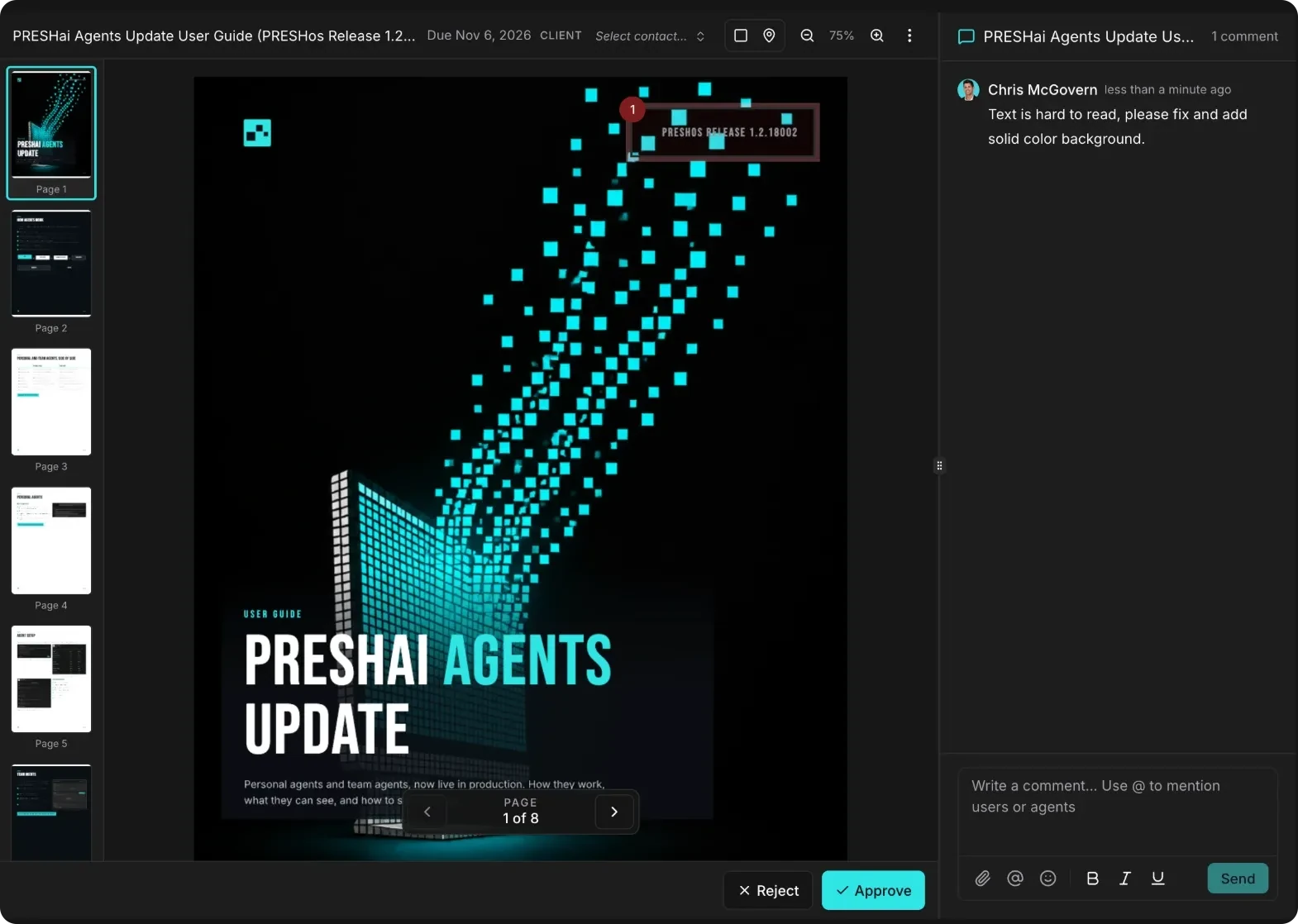

Automations acton connected records.
Connectors sync records with the systems you already run, mapped field by field, so an automation can start from a change in any of them.
Relatedreading.
More on Platform
AI & Automation
AI Works on a Copy: Approval Before Anything Reaches a Live System
Agents can do real work on a working copy of your data while a person approves what goes back. Here is how a digital twin and an approval gate work together.
AI Engineering
Choosing a Model per Agent: Match the Model to the Job
Different agent jobs suit different AI models. Here is how to choose a model per agent, compare options fairly and keep your controls the same throughout.

AI Engineering
Field-Level Permissions for Agents: Control Down to the Field
Field-level permissions decide which parts of a record an agent can read or change. Here is how roles, scopes and fields combine, with a worked example.

What should start on its own?
Tell us the work that waits for someone to notice it. We will walk through the trigger, the agent and the approval it would need.