


Guides to agents,control and the record.
How agents are built, what they are allowed to do, how a person stays in charge and how every run is kept on the record.
Thearticles.

AI & Automation
AI Works on a Copy: Approval Before Anything Reaches a Live System
Agents can do real work on a working copy of your data while a person approves what goes back. Here is how a digital twin and an approval gate work together.

AI Engineering
Choosing a Model per Agent: Match the Model to the Job
Different agent jobs suit different AI models. Here is how to choose a model per agent, compare options fairly and keep your controls the same throughout.

AI Engineering
Field-Level Permissions for Agents: Control Down to the Field
Field-level permissions decide which parts of a record an agent can read or change. Here is how roles, scopes and fields combine, with a worked example.

AI & Automation
How to Read What an Agent Run Cost
Every agent run has steps, tokens and a cost. Here is how to read a run record, tell actual cost from estimated, and roll it up by person, agent and work.

AI & Automation
Personal Agents and Team Agents: Who Is Accountable?
A personal agent acts as its owner. A team agent acts as itself, with a named manager. Here is how that choice sets access, approvals and accountability.

AI Engineering
Where an Agent Actually Runs: Isolated Sessions Explained
An AI agent needs somewhere to work. Here is what an isolated session is, what the agent can reach from inside it, and how cloud and desktop sessions differ.
AI & Automation
WebMCP vs Browser Agents: What a Business Owner Actually Needs to Know
An AI agent can use your website in two very different ways: reading the screen and guessing where to click, or calling the tasks your site declares through WebMCP. Here is what the difference means for cost, reliability, and safety.
AI Engineering
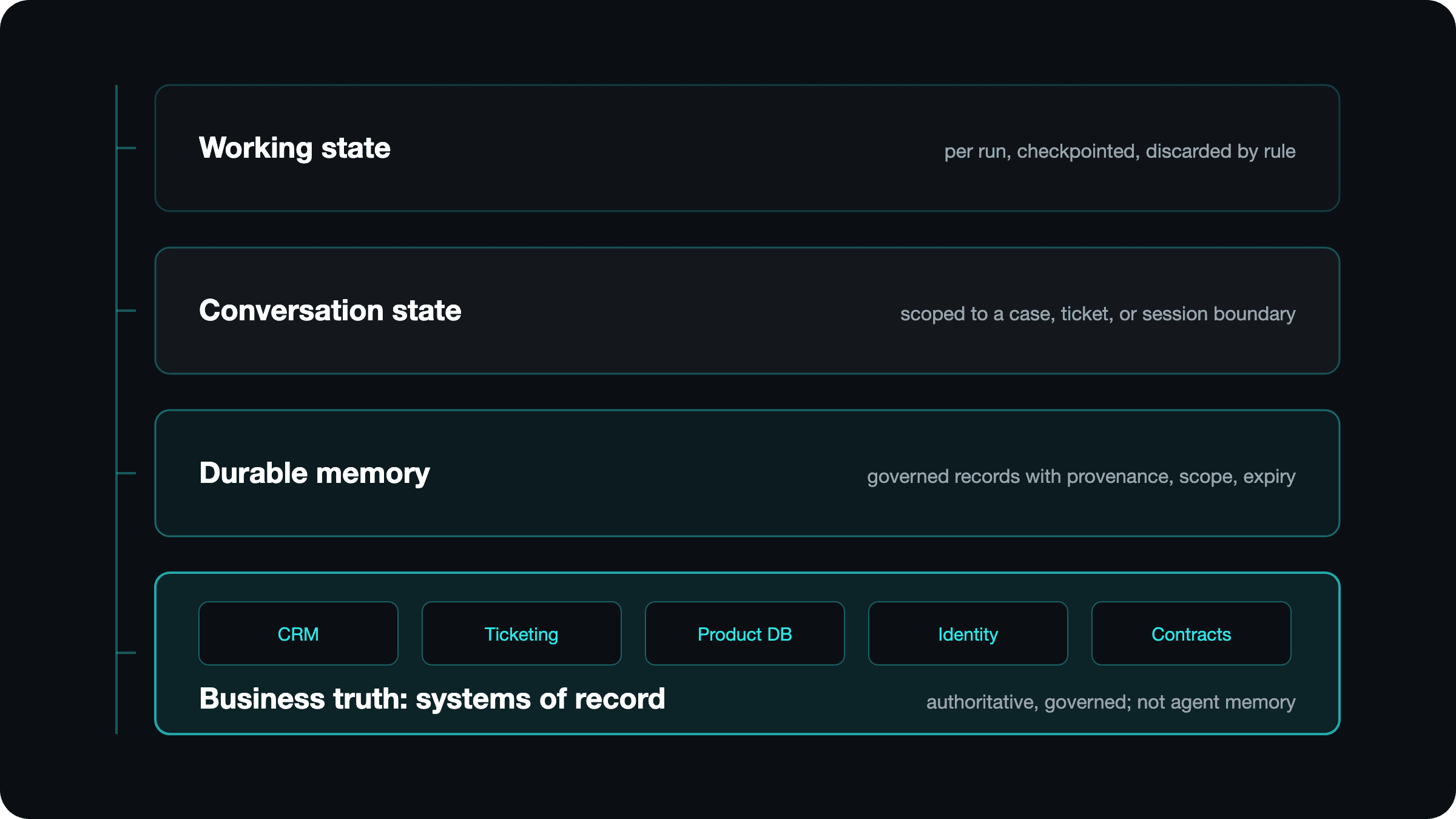
Shared memory between AI agents is a state management problem
Shared memory can help multiple AI agents coordinate, but an unstructured common store creates stale context, conflicting updates, and security risk. Learn how to design agent memory as governed production state.
AI Engineering
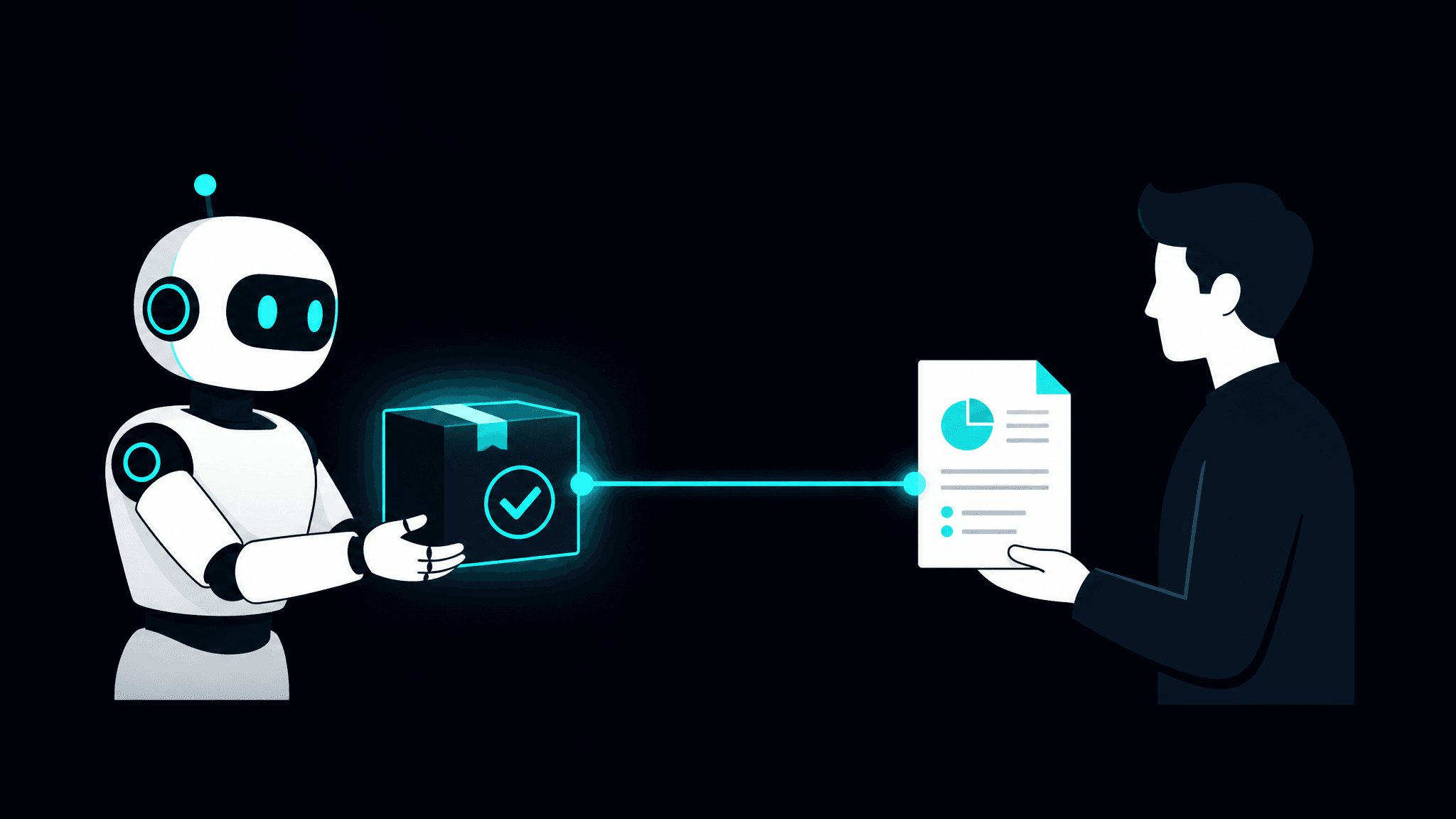
Your Agent Isn't Done Until It Reports Back
An agent that completes the work but never delivers the outcome has not completed anything. The report-back is a first-class step in the harness, with the same engineering rigor as the task itself. Here is how to build it.
AI & Automation
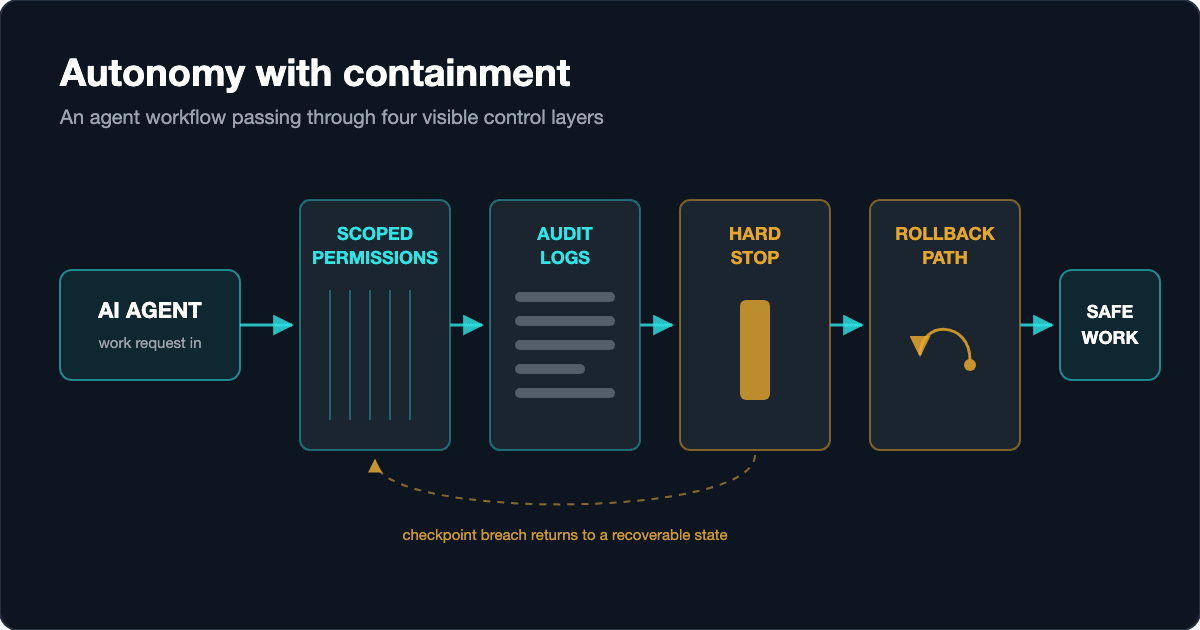
Your AI Agent Is Not Safe Just Because the Prompt Says So
AI agents move too fast for prompt-based safeguards and endless approvals. Production autonomy requires scoped access, auditability, hard stops, and rollback.
AI Engineering
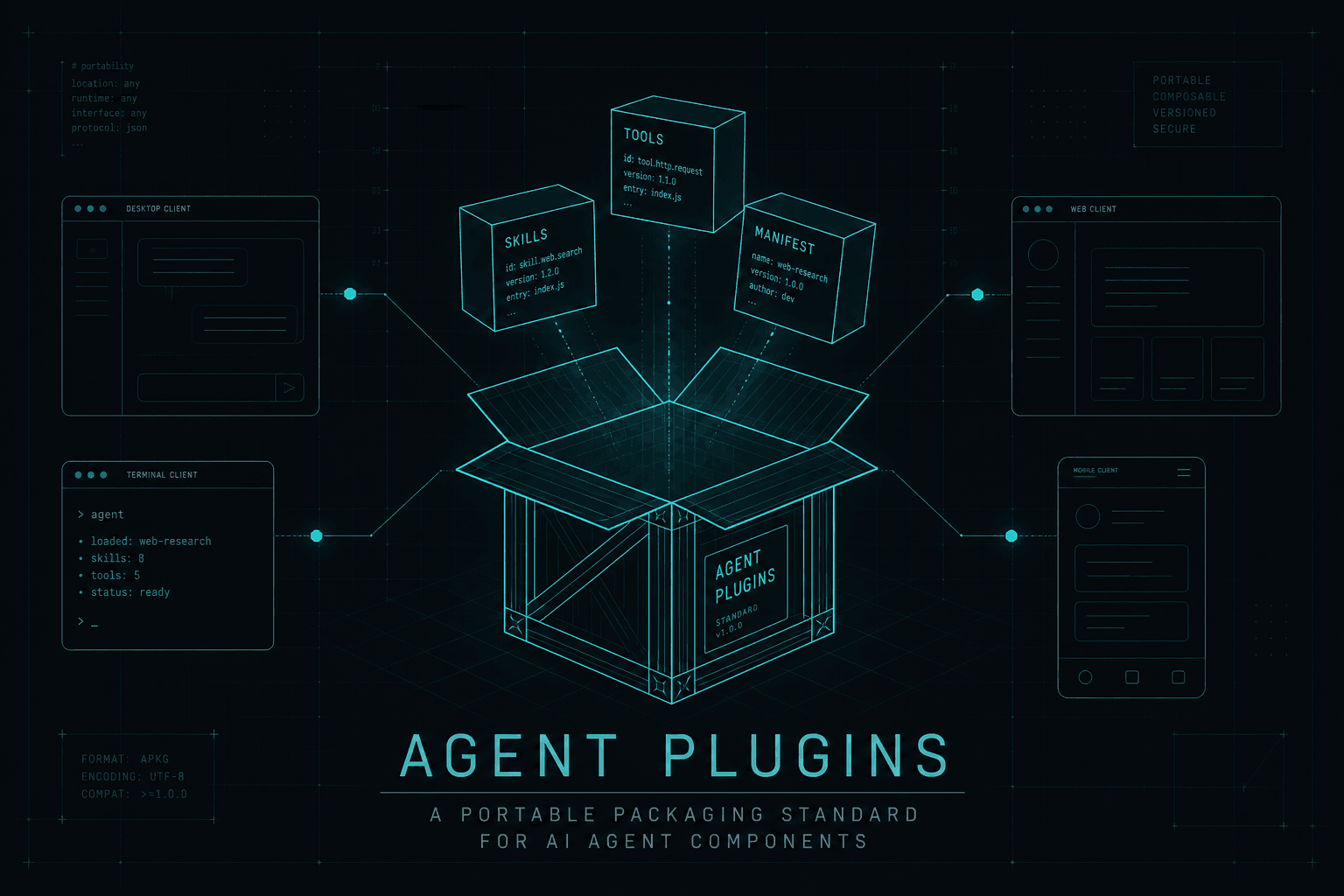
Agent Plugin 1.0 - A Unified Framework for Agent Plugins
Agent Plugins is a new open, vendor-neutral spec for packaging Agent Skills and MCP servers into portable plugins, backed by Amazon, Cursor, Microsoft, OpenAI, Vercel, and now Google. Here is what the format actually does, who is behind it, and why our agent harnesses, including PRESHos, support it.

AI Engineering
Agent RBAC: Five Ways to Scope What an Agent Can Do (And When to Use Each)
Role-based access control for agents is not user RBAC with a new label. An agent acts, so its permissions are a matrix of what it can see, suggest, and execute. Here are the five strategies, when each fits, the tradeoffs, and how to implement them in Claude Code, Codex, and your own harness.

AI Engineering
The Verify Step: Why Agents Fail in Production (And How to Catch It Before the Customer Does)
The verify step is where an agent proves the work actually happened before anyone calls it done. It is the single cheapest addition to a harness and the one that separates a demo from something you can run near a customer's quote, ticket, or data.
AI Engineering
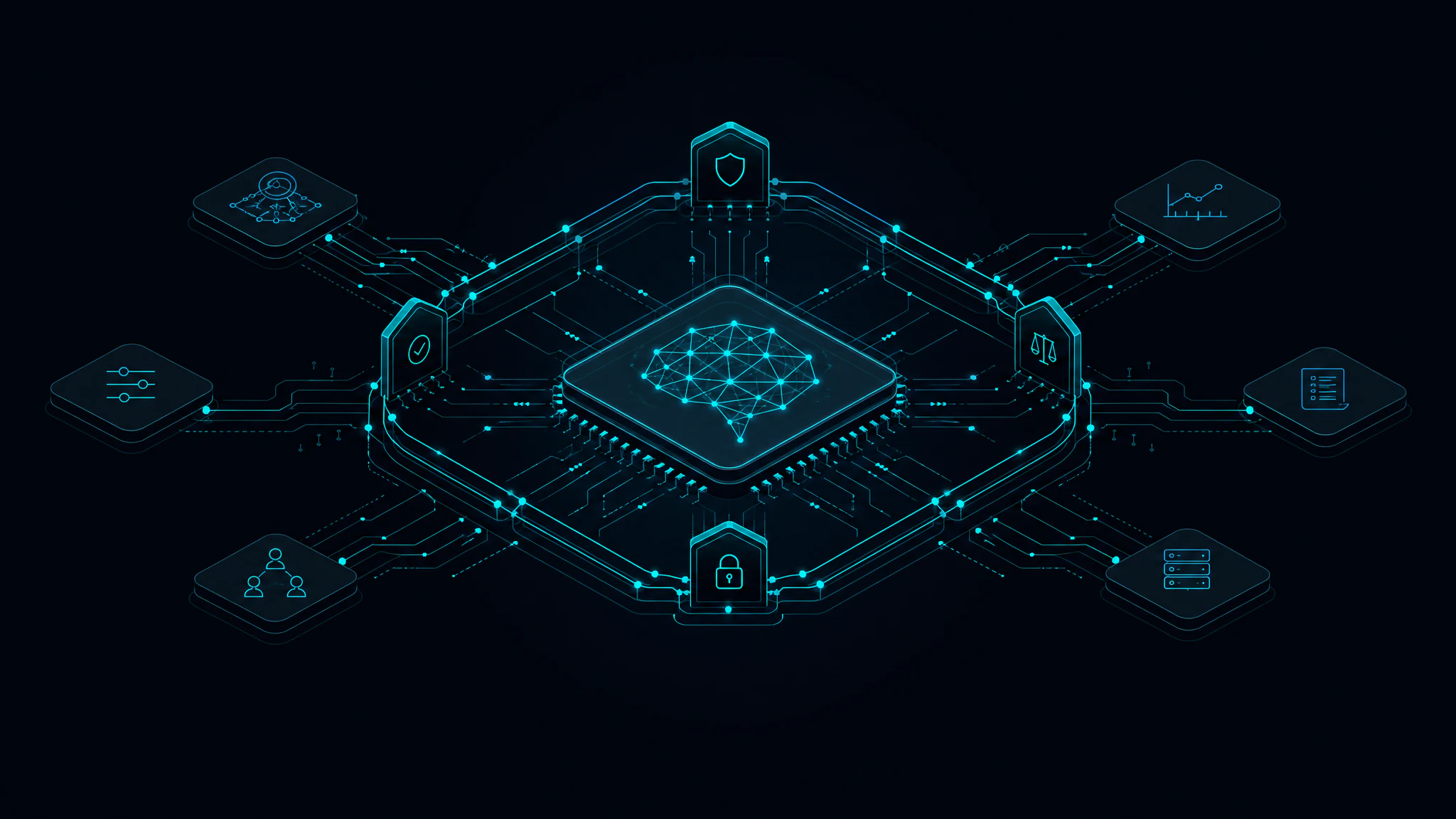
The Model Is Not the Moat. The Harness Is.
Enterprise AI strategy is shifting from model selection to the harness around models: routing, fallbacks, context, permissions, memory, observability, and review.

AI Engineering
What Is an Agent Harness? (And Why It Matters More Than the Model)
An agent harness is everything wrapped around the model that makes it reliable: the loop, tools, context management, guardrails, and the verify step. Here is what that means in plain terms, and why it decides whether AI agents actually work in the IT channel.
AI & Automation
AI Is Not Another Tool Category. It Is the Operating Layer.
AI is moving from a tool people open to a layer that runs through the work itself. For the IT channel, the opportunity is governed AI implementation, not another AI login.
It runson PRESHos.
PRESHos is the platform where your people and AI agents run the work together, under your permissions and approvals.

Want to talk it through?
Tell us where you are. We will talk through what we would do first.